
Danfoss variable speed technology
By using the Danfoss inverter compressor solutions, significant energy savings can be achieved compared to traditional on-off compressors or mechanically-modulated technologies.
Benefits in HVAC units
Better power supply quality, system diagnostics, humidity control, energy savings, accurate temperature control, less noise, process safety, greater comfort.
Inverter compressor technology offers new opportunities for air conditioning systems, first of all in terms of energy efficient buildings, reduced energy consumption and lower running costs.
Additionally, the technology improves power factor leading to better power supply quality as well as better system diagnostics and open communication protocols which facilitate servicing.
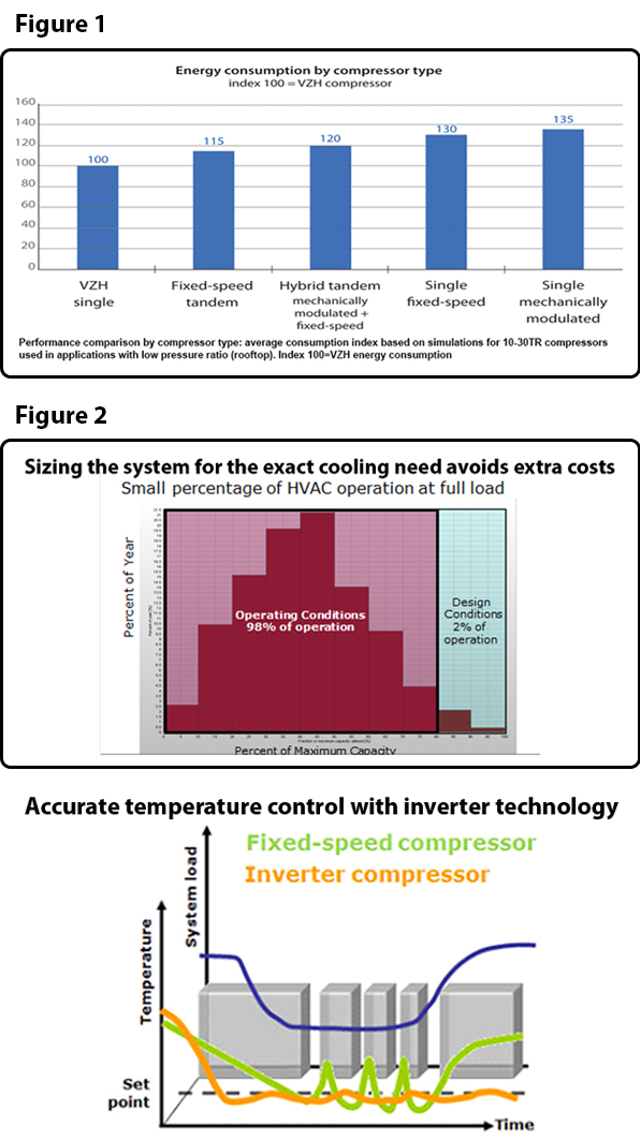
Continuous adaptation to cooling demand provides higher energy savings and accurate temperature control.
The compressor matches power input with cooling capacity. The unit copes effectively with changes in temperature and runs at partial load which can represent over 30% reduction in the energy bill every year compared to a fixed speed or mechanically modulated compressor. The stable temperature control secures the processes in an optimum way and provides greater comfort. All in all, this means energy efficiency in buildings.
The capacity modulation attenuates power demand peaks which also contribute to increasing the grid reliability and quality of power supplied.
The soft start control leads to a near zero inrush current and improves EER:
- Direct-on-line (DOL) compressor start draws 5-6 times the nominal current until the compressor running speed is attained. Traditional fixed-speed compressor in a system can make 8-12 start/stop cycles and every start will draw high current from the supply, which leads to high power consumption and stress on supply, and on compressor mechanical parts.
- Most inverter scroll compressors are soft starting which avoid torque surges. It prevents high mechanical stress on the machine, and generates lower service costs and decreased wear. Low in-rush current also helps in saving fixed costs charged by utilities (peak current calculation) and reduces mains and power backup loads.
Additional benefits are of inverter compressors are:
- Better humidity control makes the unit suitable even for spa installations thanks to adjust the capacity of the unit and thus better control of the evaporating temperature.
- Less noise than with conventional on-off systems during partial load operation.
On top of the standard benefits for all inverter compressors and technology, Danfoss Commercial Compressors has prequalified inverter compressors and drives designed to work together.
This adds to the long list of benefits to manufacturers, consulting engineers and end-users in terms of:
- Reduced number of components in the system
- Higher reliability and continuous running
- Easier to implement technology
- Reduced applied costs
- Faster time to market.
Figure 1
Energy consumption for cooling systems using different compressor configurations. Average consumption index based on simulations for 10-30TR compressors used in applications with low pressure ratio (rooftop); Index 100 = Danfoss inverter scroll VZH energy consumption.
Figure 2
Typical load profile in a building.
Only a few percentages of operations are at full load in a building. HVAC systems are designed for peak conditions (right side of the graph). These conditions are not those conditions in which the equipment will operate most of the time. This graph represents typical annual climate data and hours of run time (% of year) for each condition.
Source: Danfoss HVAC tool
Products
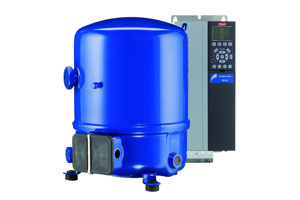
Danfoss reciprocating inverter compressors avoid oversized and short cycling systems. The compressor automatically adapts to the current load. By combining an efficient Danfoss Maneurop® reciprocating compressor with a Danfoss Drive, we provide an innovative and intelligent package that utilizes variable-speed technology to ensure superior efficiency across the entire operating range for precision cooling.
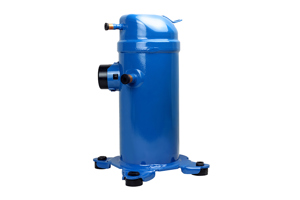
Danfoss inverter scroll compressors for commercial air conditioning use variable-speed technology to deliver the highest possible cooling capacity and energy efficiency.
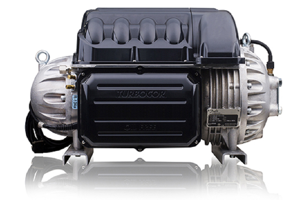
Danfoss Turbocor® model TTS oil-free compressors are available in four different models ranging from 60 tons to 200 tons / 200 to 700 kW utilizing R134a or low GWP R513A.
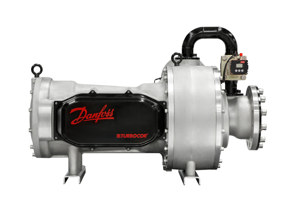
Danfoss Turbocor® model VTT oil free compressor is available with a capacity up to 400 tons / 1430 kW using R134a. This compressor is designed for water and evaporative cooled chiller applications.
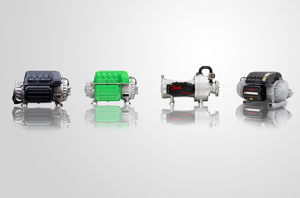
Danfoss Turbocor® model TGS oil free compressors are available in 5 different models ranging from tons to 150 / 140 kW to 540kW utilizing ultra-low GWP R1234ze or R515B.
Related applications
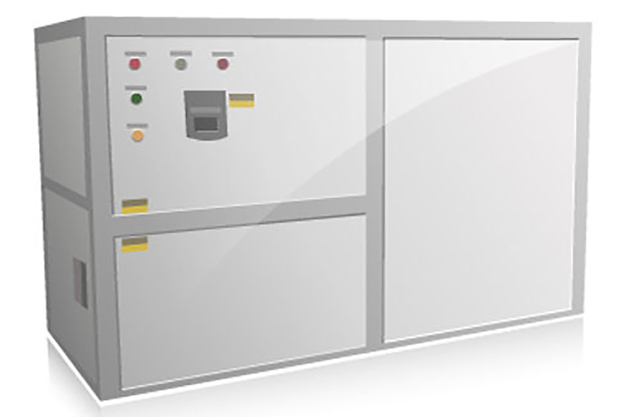
At Danfoss we have all the refrigeration solutions, experience and know-how to act as a competent and trustworthy partner for the global air drying industry.

Learning
Case studies
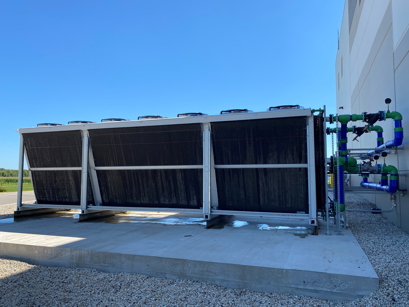
Founded in 1972, Schoeneck Containers is a leading manufacturer of plastic containers for a variety of industries, including food, beverage, personal care, household and industrial products. The company’s flagship facility in New Berlin, Wisconsin, is approximately 180,000 square feet with over 30 production lines producing over 300 million containers annually.
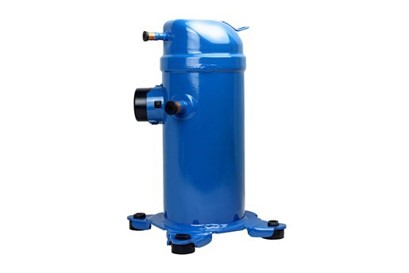
According to the U.S. Centers for Disease Control, reducing exposure to and spread of COVID-19 should take layered approach that includes increased outdoor air flow and improved ventilation. This is because indoors, viral particles spread more easily and are more likely to be in greater concentration compared to outdoors where the air moves and reduces them more freely.
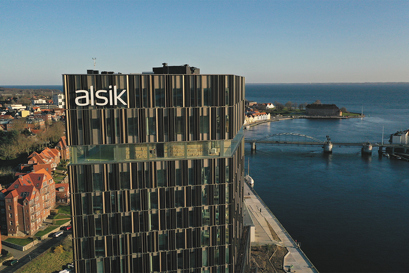
The new Alsik hotel in Southern Denmark sets a higher standard in energy-efficiency and is built to reach 76% CO₂-neutrality. A main contributor is the 900-kW chillers by Clint (a company of G.I. Industrial Holding) which features award-winning Danfoss Turbocor oil-free compressors.
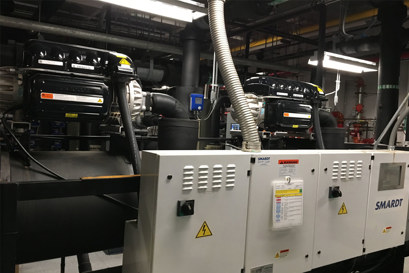
Danfoss conducted a study to see how long term operation affected performance on Danfoss Turbocor® compressors. The results showed that oil-free, magnetic bearing compressors maintained consistent performance even after 10+ years of operation.

Management of water and wastewater is a major issue in the central highlands of Arizona, which gets only about 12 inches of precipitation a year. To handle growing water demands, the City devised a strategic water management plan that included creating a modern municipal water system with effective monitoring, control and pumping technology – a development made possible by Danfoss variable frequency drives (VFDs).
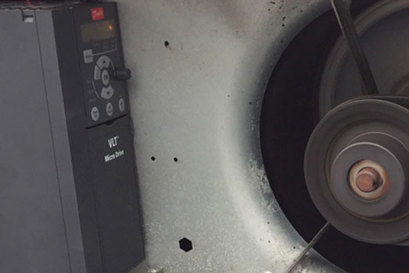
VFDs are used for a wide range of motors, not just RTU fan motors. Danfoss was able to pre-program the VLT® Micro Drive specifically for RTU applications and offer it to contractors. Because the programming work is done upfront, the contractor simply mounts the drive inside the RTU, wires it up, and enters the nameplate installation. Most mechanical contractors can do the job in about half a day.
News
Danfoss is proud to announce the latest enhancements to the VLT® AutomationDrive EZ FC 321, a leading solution in the field of low-voltage drives with embedded Condition-Based Monitoring.

Coolselector®2 is essential software for engineers, consultants, and system designers who work in the refrigeration and air conditioning industry. Using Coolselector®2, you can easily optimize energy consumption and increase efficiency in your HVACR system — simply run calculations based on your operating conditions and then choose the best component setup for your design.

How does reduction of methane production in beef cattle and the transformation of biogas into clean fuel for heavy vehicles link to efficient buildings enabled by Danfoss? They are all endorsed by the World Alliance for Efficient Solutions.