
Sector integration
The smart move towards a carbon-free economy
Sector integration is going to be a key instrument in decarbonizing energy systems and reducing CO2-emissions in order to combat climate change.
The key issue in decarbonizing the energy economy is not how much renewable energy can be generated but rather, how it can be integrated into our energy system. The more fossil fuel driven sectors you can hook up to the electricity grid and the more flexible these are in terms of energy use, the better. Heating, cooling, transport, water treatment and industry are all sectors whose demand is flexible enough to fully exploit the potential of renewable energy. Electrification of the biggest energy carriers with the ability to store energy, like district heating or cooling, is a key task in achieving the flexibility and resilience that an energy system primarily built on renewables requires.

What is sector integration?
Joining forces across sectors to fully exploit the potential of renewable energy
The principle of sector integration applies to any system that can deliver energy to, or consume energy from, another sector. There are many examples of industries – or even in retail – that generate heat as a waste product which can then be exploited elsewhere to form a more sustainable energy system and subsequently, a rewarding business case.
Sector integration is particularly relevant when energy production is based on renewables like wind and sun. Sector integration allows for electrification of more sectors and adds needed flexibility as the demand for power doesn’t always follow the weather. When weather conditions facilitate the generation of electricity and the grid is in low demand, energy-consuming sectors who have the ability to store thermal energy in their systems or are flexible about when to use energy, can step in and purchase power at a lower cost. Thermal storage is like a virtual battery. An example could be a district heating system that can use electricity when it is plentiful and cheap to heat up water which is then stored in tanks as well as in the pipe network to be used when electricity is more expensive.
This way, sector integration helps energy systems be able to use and reuse energy more efficiently.

Turn waste heat into clean heat with District Energy
Unlock the potential of waste heat with Danfoss. Waste heat recovery is essential for achieving decarbonization goals, transforming underutilized heat sources into valuable energy assets.
Discover innovative solutions that enhance energy efficiency, reduce emissions, and offer significant cost savings. Explore case studies and learn how integrating waste heat into district energy networks can reshape the energy landscape for a sustainable future.

How we do sector integration
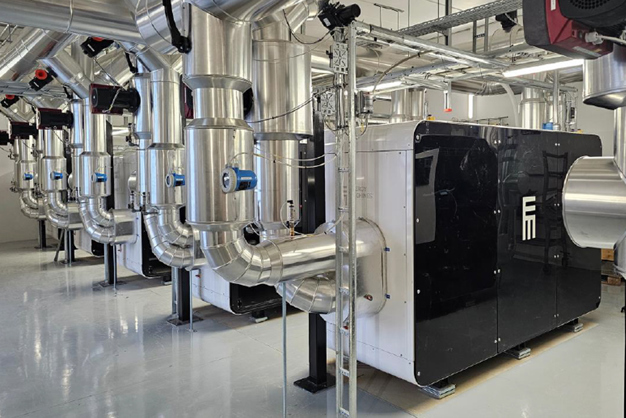
A global freight forwarding and logistics leader was searching for an energy-efficient heating and cooling solution for its approximately 300,000 m2 logistics center in northern Denmark.
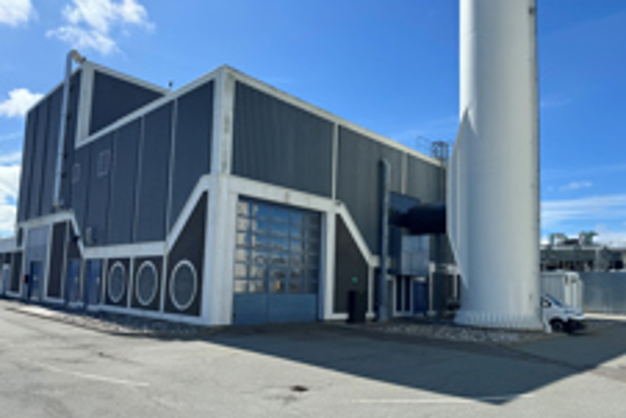
Frederikshavn DHU operates a 14-megawatt gas boiler to provide essential heating services during colder periods. To improve energy efficiency and reduce environmental impact, a project was initiated to recover more energy from the flue gas emitted by the existing biomass boiler system.

Sygehus Sønderjylland, a hospital located in Sønderborg, Denmark, has partnered with Danfoss Sector Coupling Solutions and the district heating utility company, Sønderborg Varme, to reduce its CO2 emissions.
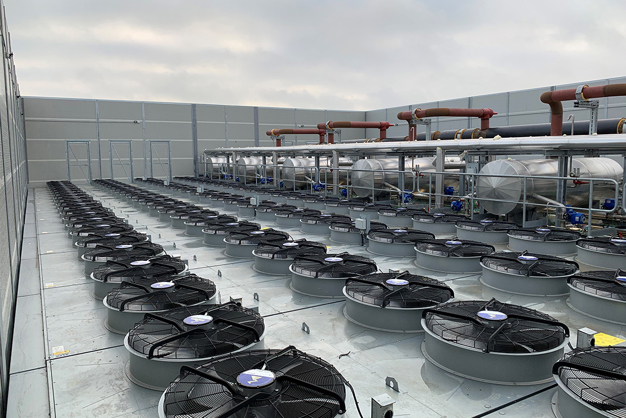
Ringsted District Heating Company (DHC)—a large district heating utility in Denmark—has reduced its reliance on fossil fuels by 97% after Unicool installed an innovative heat recovery system using Geoclima heat pumps built with Danfoss Turbocor® oil-free compressor technology.

Heat Recovery Tool
Try out our new Heat Recovery Tool that analyzes your heat source and consumption. The tool links data with current energy prices to provide tailored recommendations for your operation.
Heat recovery tool
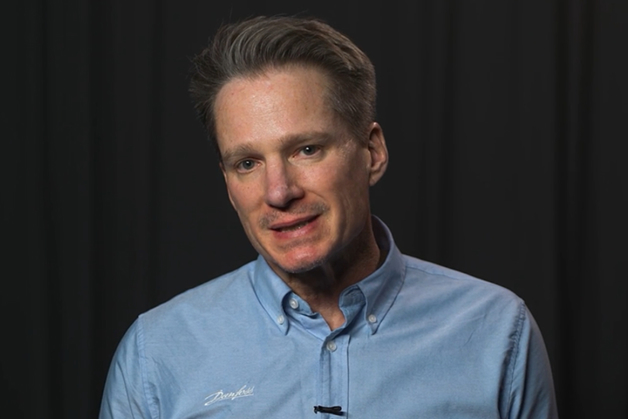
Join Drew Turner as he breaks down the art of merging diverse energy sectors to boost efficiency and drive decarbonization efforts. Learn about the innovative, yet practical ways to harness this strategy, like repurposing excess heat from cooling systems for heating needs elsewhere. You’ll also discover the potential of integrating renewable energy sources into the power grid, while addressing the challenge of supply-demand equilibrium.
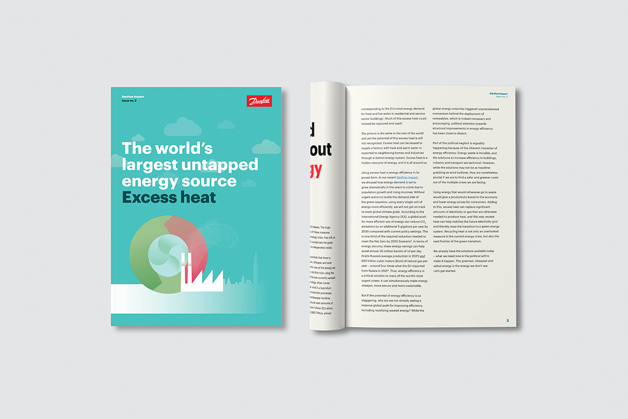
The world’s largest untapped energy source: Excess heat
There is a greener and safer route out of the energy crisis
In Europe, decision makers are still struggling to close the gap between energy supply and demand left by the cut off from Russian gas. Countries are taking reactive emergency measures, such as firing up old coal-fired power stations, as well as signing new nuclear and liquefied natural gas (LNG) leases.
Sadly, decision makers overlook that there is a readily available, greener, cheaper and safer alternative, namely, smarter use of the energy we already have. One way to do that is by using the vast amounts of energy that are currently wasted across sectors.
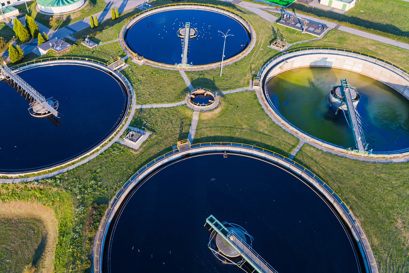
Wasted energy often comes in the form of excess heat and is a byproduct of most industrial and commercial processes; factories, data centers, wastewater facilities and supermarkets all produce vast amounts of excess heat. Much of this excess heat could instead be captured and used.
The key takeaways in our newly launched whitepaper
- Excess heat is the world’s largest untapped source of energy.
- The solutions already exist.
- Reusing excess heat is energy efficiency in its purest form.
Unlock the value of waste heat and optimize energy use with sector coupling. Discover how combining heating and cooling systems can cut costs, reduce emissions, and support your sustainability goals.
Want to know more



Benefits of sector integration
Contributing to the climate targets and more cost-efficient systems
How can sector integration help fight climate change? The main challenge in the transition to a carbon-free energy economy is that the demand for electricity doesn’t always match the supply. Power is often generated at times when the demand isn’t high enough to fully exploit the capacity of the grid, or vice versa; the demand may be higher at times of lower capacity.
Sector coupling with thermal energy storage that allows for flexible use of power enables the discrepancy in supply and demand to be evened out so the capacity of the grid is fully exploited. And the more sectors that can replace their fossil-fuel power with electricity to support a fossil-free power economy, the better society as a whole is able to meet the CO2-target of the Paris Agreement.
It goes without saying that the energy-consuming sectors that are coupled in a smart energy system will enjoy a more cost-efficient operation, as they will be able to adapt their purchase of power to utilize the lowest possible rates at any given time. Likewise, the power supplier will be able to avoid situations of curtailed capacity and loss of revenue.
Once the principle of sector coupling becomes fully established as the model for building or renewing city infrastructure, industry and transport sectors, the running costs of these smart, integrated systems will come down. This is because of synergies relating to the heating and cooling of buildings, server rooms, freezers in supermarkets, battery charging etc.
The potential is huge. Today, heating and cooling alone accounts for half of the EU's energy consumption and is currently 75% fossil-fuel based. A new report from Aalborg University in Denmark states that decarbonizing the European heating and cooling sector has the potential to reduce total energy system costs by 70 bn EUR per year.
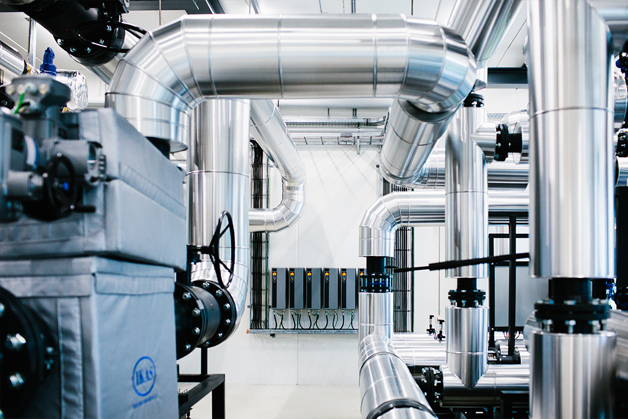

Sector coupling: smart energy videocasts
Introducing the smart side of the energy system using sector coupling to connect the different energy sectors. This setup can support decarbonizing the energy supply and fight against climate change.
Go to videos
Get our 5 takeaways from the Aalborg University report here, or see the full report:
|
Why sector integration?
Making renewable energy cost-efficient
What can we achieve through sector integration? The main challenge of an electricity economy based on renewable resources is ensuring stable supply. The reason why you sometimes encounter wind turbines idling on a windy day may well be that the demand for electricity doesn’t meet the increased capacity potential. Surplus power can be stored in batteries, but this is an expensive solution that doesn’t contribute to a cost-efficient energy economy. Another option could be to export surplus electricity to other regions, but this is not very cost-efficient either as it requires huge investments in cable infrastructure. The best alternative by far is sector coupling with smart energy systems which creates a flexible demand that doesn’t rely on grid stability and that can provide the necessary peak shavings by being ready to use the power when it is available.
Integrated energy systems enable interaction between the energy-consuming and the energy supplying sectors and minimize the total cost of the energy system. Industry, transport and buildings are all energy-consuming sectors which can partake in a smart energy system that involves active usage of flexible energy storage in, for example, thermal storage for district heating and cooling.



Why does sector integration remain underutilized?
As a society dependent on de-carbonizing the energy economy, we have to take a system approach and accelerate the integration of energy-consuming sectors with the energy supplying sector. This requires a regulatory framework to support the creation of decentralized energy systems which will encourage smart system integration able to combine energy storage in heating and cooling systems with flexible use of waste heat and heat pumps.
Today’s policy frameworks do not support interaction between different sectors or reflect the new technologies that help facilitate integrated energy systems. Thermal networks should be encouraged by allowing flexible energy prices and removing tax on waste heat. We need to ensure that electricity prices reflect the energy mix to encourage the uptake of renewables – e.g. through CO2 pricing – and that power price signals reward energy storage and other flexibility services.



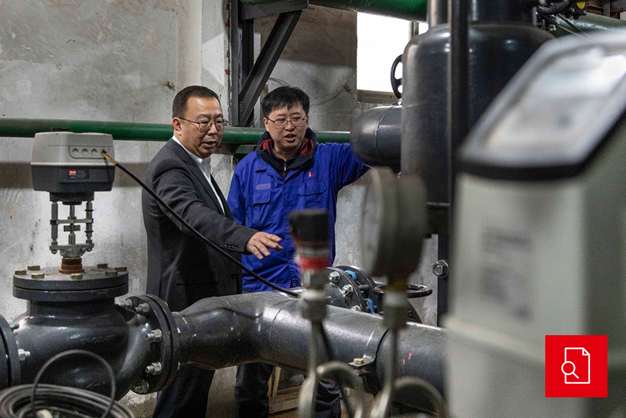
Who can contribute to sector integration?








FAQs
Explore related topics


Digitalization will both strengthen and challenge the future energy system. Maximizing the energy-saving benefits requires minimizing the negative environmental impact through highly efficient data infrastructure.

Urbanization is driving global population growth in cities. Discover how energy efficiency and smart solutions can help decarbonize cities and combat climate change.

Electrification is key to lowering fossil energy consumption and accelerating the build-out of renewables. A fully electrified system can reduce final energy consumption by up to 40%.
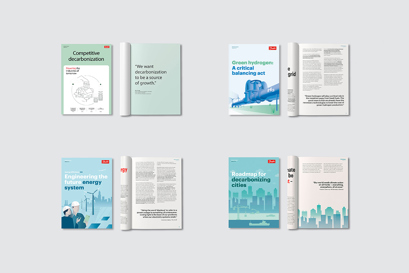
Our reports and analysis provide evidence-backed insights on reducing energy demand, accelerating the green transition, and leveraging existing technologies to replace fossil fuels.