
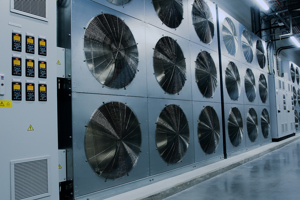
Integrating data centers into energy and innovation ecosystems can drive sustainable growth - Finland shows how it can be done. As our reliance on data grows and AI-driven technologies become indispensable, data centers are emerging as critical infrastructure for modern economies. Their expansion is an unavoidable reality – but the real opportunity lies in transforming them into strategic assets, shaping the future of energy, innovation and competitiveness.
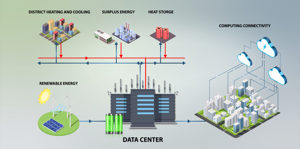
Data centers can reduce their impact to the point of climate neutrality in three ways, all without compromising data availability: lowering power usage effectiveness (PUE), integrating renewables and storage into data centers, and using waste heat from data centers for heating and/or desalination.

Using more efficient motors and drives is the foundation of an efficient system. Variable speed operation also leads to significant energy savings (in the range of 15-40%). But how about the settings of the drive? Do they have an impact on the power consumption of the electric motor?

AC drives technology allows for flexible use of green electricity, for example in district heating and cooling with thermal storage in hot or cold water tanks for use when green electricity is not available. Likewise, surplus green electricity can be channeled into industrial processes – and into the transport sector, which will absorb more of the green power produced and exploit the actual capacity.

It’s estimated that more than 30% of all the global clean water produced for household use/cities is lost in leakage. Often digitalization and VSDs are the key components to help limit water scarcity issues instead of creating new water facilities.
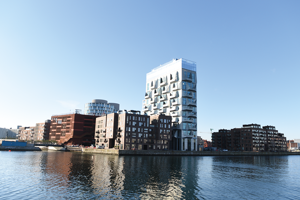
The theme for this year’s EU Sustainable Energy Week is ’Shaping Europe’s Energy Future’ – that future holds plenty of potential and must rest on further integration across sector and policies to ensure we optimize our energy systems for optimal performance and efficiency.
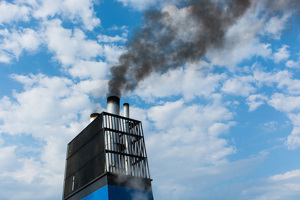
The shipping industry will need to optimize maritime trade operations and capacity utilization, quickly improve energy efficiency, and transition towards low and zero-carbon fuels. It will take a combination of substantial policy support and a change in mindset from a sector that has traditionally faced major barriers to innovations.

We have to exploit the potential of digital, connected solutions. Smart control of heating, cooling and ventilation can double the performance of these technologies. On average, energy consumption can be reduced by 38% per building.
We have to change our mindset and focus on sector coupling – in short, this means that the electricity, heating, transport, and industrial sectors must join together to become more environmentally friendly.