
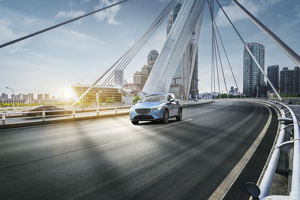
AC drives technology allows for flexible use of green electricity, for example in district heating and cooling with thermal storage in hot or cold water tanks for use when green electricity is not available. Likewise, surplus green electricity can be channeled into industrial processes – and into the transport sector, which will absorb more of the green power produced and exploit the actual capacity.
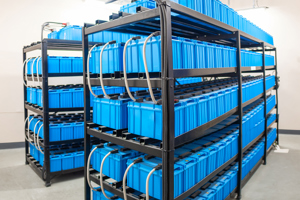
Smart grids with integrated energy storage offer a sustainable alternative to the traditional electricity networks based on fossil fuels - and Danfoss solutions support the transition
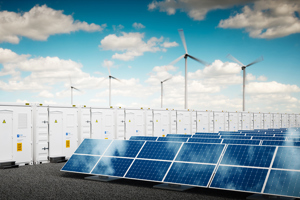
The basic configuration of electrical power systems for industrial, commercial and residential applications has altered little for decades. But now disruptive new technologies – hybridization and power conversion – are about to bring big changes. And there will be significant benefits for those who adopt it.

The theme for this year’s EU Sustainable Energy Week is ’Shaping Europe’s Energy Future’ – that future holds plenty of potential and must rest on further integration across sector and policies to ensure we optimize our energy systems for optimal performance and efficiency.
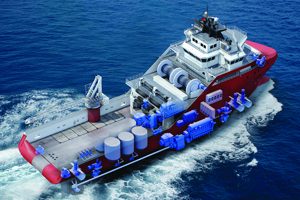
Hybridization of vessels allows you to use the most optimal energy source for the required task, giving you a range of benefits from less environmental emissions over noise reductions to reduced maintenance efforts.
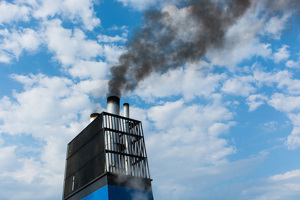
The shipping industry will need to optimize maritime trade operations and capacity utilization, quickly improve energy efficiency, and transition towards low and zero-carbon fuels. It will take a combination of substantial policy support and a change in mindset from a sector that has traditionally faced major barriers to innovations.
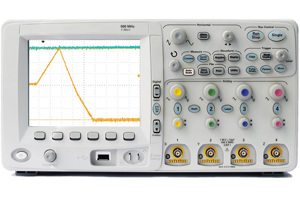
There is significant potential for energy saving, especially when combining a DC grid, energy storage, and/or variable speed generators. Danfoss Drives has developed the VACON® NXP DCGuard™, a short-circuit current suppressor based on current interruption by switching of IGBT transistors.
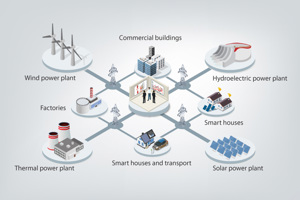
The three trends of decentralization, digitalization and electrification have the potential to disrupt the conventional electricity system, and they reinforce each other in a virtuous cycle.
Energy storage offers us flexible ways to make supply and demand meet by bridging the lag between energy generation and consumption, dampening peak loads and bridging outages. Using grid edge technologies and services, customers in the future energy system will produce, consume, store and sell electricity.