
Hybridization in the form of energy storage is one of the leading recent technologies and is rapidly becoming a megatrend. Energy storage offers us flexible ways to make supply and demand meet.
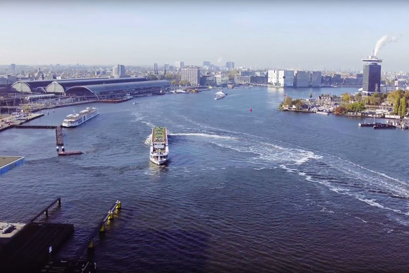
Energy storage is often described as a key enabler for integrating renewable energy into power generation. Danfoss is also widening the scope of energy storage to optimize energy consumption.
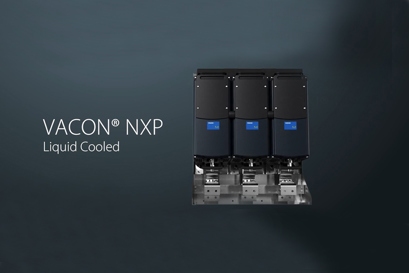
The VACON® NXP variable frequency converter offers a powerful performance in extreme conditions and provides a versatile and reliable solution for hybrid energy applications.
Rapid decentralization, digitalization and electrification
The increasing influence of renewables means that the energy system is rapidly evolving to accommodate decentralization.
Decentralization: With energy generation increasingly located decentrally at or near the customer site, energy providers attempt to meet the ever-changing supply and demand requirements as closely as possible. The vital technologies in achieving the balance are distributed storage, microgrids, demand response and energy efficiency measures.
Correspondingly, smart systems evolve to balance the grid and connect local energy generation with local consumption, evening out surpluses and deficiencies. Digitalization is a vital ingredient in facilitating the growth of decentral energy systems, enabling open, real-time, automated communication. We will increasingly employ smart metering, remote control and automation systems. Beyond the meter, optimization and aggregation platforms as well as smart appliances and devices will connect us even further.
Accelerating electrification of many applications traditionally fueled by hydrocarbons is critical to long-term carbon goals and will be a relevant distributed resource. We will increasingly convert to electric vehicles, smart charging and heat pumps, which in turn lend themselves to locally generated power.
Disrupting the electricity system
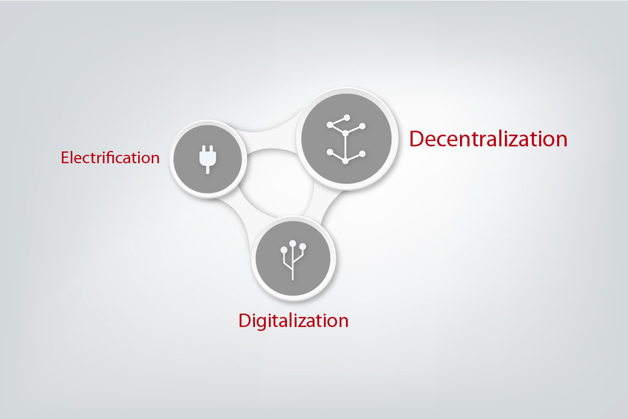
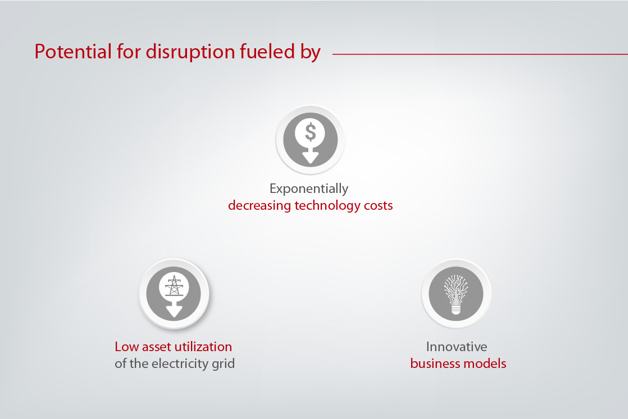
The three trends of decentralization, digitalization and electrification have the potential to disrupt the conventional electricity system, and they reinforce each other in a virtuous cycle. The potential for disruption is further fueled by exponentially decreasing energy costs, innovative business models, and low asset utilization of the electricity grid.
Hybrid solutions deliver the flexibility we need
Hybridization in the form of energy storage is one of the leading recent technologies and is rapidly becoming a megatrend. Energy storage offers us flexible ways to make supply and demand meet by bridging the lag between energy generation and consumption, dampening peak loads and bridging outages.
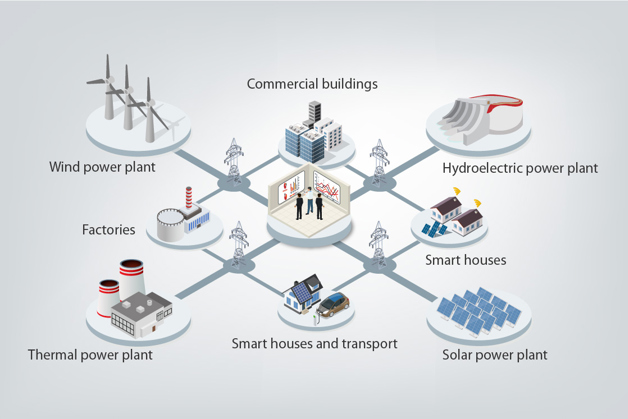
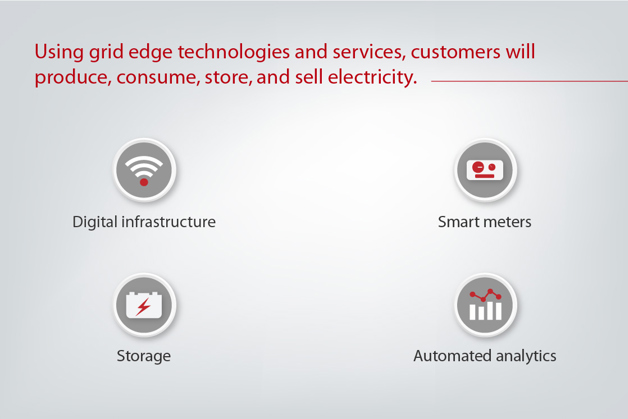
Using grid edge technologies and services, customers in the future energy system will produce, consume, store and sell electricity.
Produce, consume, store and sell
For customers in the future energy system, energy storage meets the challenges of unpredictability, such as the weather (in relation to renewable sources of power) and the needs of industrial customers (with inherent changes in peak demands). This is where hybridization comes into play.
Hybridization at a glance
A simple and broad definition of hybridization is any system with two or more sources of energy acting together to accomplish a task. Perhaps the most commonly recognized form of hybridization today is a hybrid vehicle where a conventional internal combustion engine propulsion system is combined with an electric propulsion system to create a ‘hybrid’ power train. The benefits of hybridization, in this instance, are fuel savings, performance improvements and reduced emissions.
Hybrid solutions are implemented primarily for at least one of these reasons:
To
- Reduce or defer capital expenses (CAPEX)
- Avoid over-dimensioning a system
- Defer investment in infrastructure
- Aid localized energy production
- Prevent energy instability
- Assist the inclusion of renewables into grid infrastructure
In over-supply situations, the hybrid system can direct energy toward storage. When demand levels are high, the storage medium can be accessed to provide an additional source of energy;
- Reduce operating expenses (OPEX)
- Improve system efficiency
- Increase system availability
Hybrid systems can increase system efficiency and avoid power outages caused by grid quality problems;
- Decrease downtime of the system by increasing robustness in the case of power-quality issues
Key benefits of energy storage
Hybridization of systems is expected to continue to increase significantly across a wide cross section of land- and sea-based industry and commercial sectors, especially due to the reduction of battery costs and increases in energy density.
To implement hybridization in your operations, you can get help from Danfoss Drives to introduce a means of energy storage into a system. We provide personal support and other resources to help you gain more insight into hybridization where it’s relevant in your own applications. For example, you’re welcome to participate in our webinars.
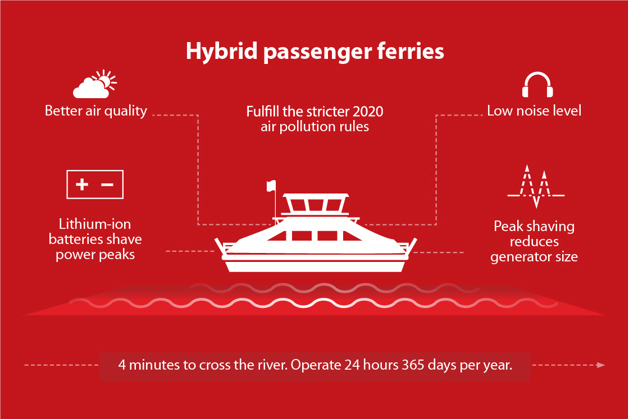
Connecting the city of Amsterdam nonstop
A notable project for new-built ferries in Amsterdam featuring electric/battery-hybrid propulsion. Danfoss Drives supported the project with engineering, testing and products.
Danfoss Drives energy storage solutions
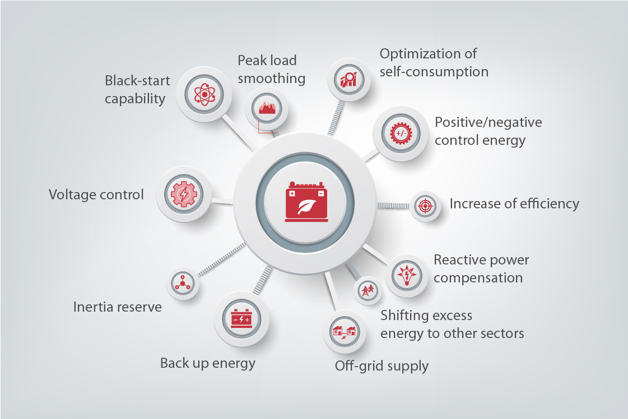
Energy storage is often described as a key enabler for integrating renewable energy into power generation. Danfoss is widening the scope of energy storage and developing solutions that also focus on the optimization of energy consumption. By equipping both machines and entire processes with energy storage systems, it is possible to significantly improve power quality, and upgrade performance and overall efficiency.
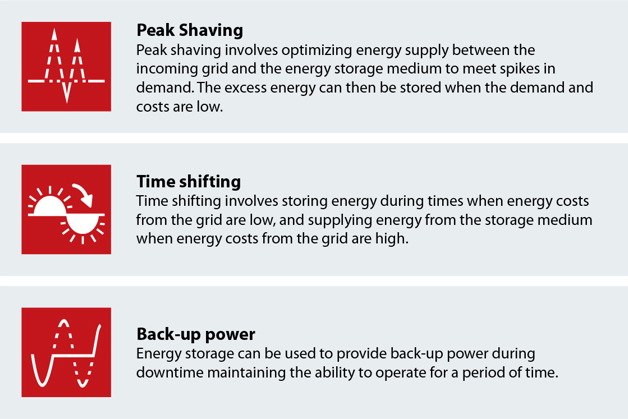
The future energy system will provide additional roles for the grid, and incorporate many customer technologies. Danfoss Drives offers products, engineering, and testing solutions for energy storage in diverse hybridization applications, for example peak-load smoothing, black-start capability, back-up energy and time shifting in a range of industries:
Integration of renewable energy sources
- Energy production forecasting
- Peak shaving
- Time shift of production
Grid stability – ancillary services
- Frequency regulation/inertia emulation
- Spinning reserves
- Overload ability/boosting
- Fast starting/reacting
μGrids
- Peak power compensation on a substation-level
- Back-up power in disturbance situations
Efficiency
- Energy production optimization in co-operation with diesel and LNG generators
- Consumption optimization of loads in marine environment
- Clean energy in harbors
Ecology
- Clean energy in harbors
- Time shift, integration of renewable power supplies
Availability of electrical power
- Uninterrupted power supply to telecommunications, airports and hospitals
Land construction and mining
- Local energy production, typically diesel gensets, operation optimization with batteries
- Machine hybridization
Drives products for hybridization
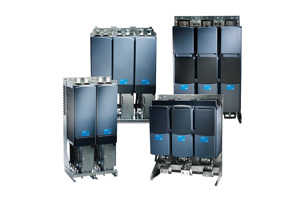
Air- and liquid-cooled drives specifically designed for smart grid, energy storage, green hydrogen, power conversion and marine energy management applications.
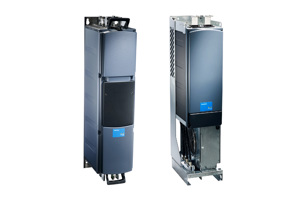
Maximizes the energy yield in hybrid solutions and helps improve performance by bringing energy support close to the consumption.