
Get more information
Read case story as a PDF
Read about VACON® NXC Air Cooled drive
Read more about Marine and offshore
Read more about Hybridization
All power conversion installations
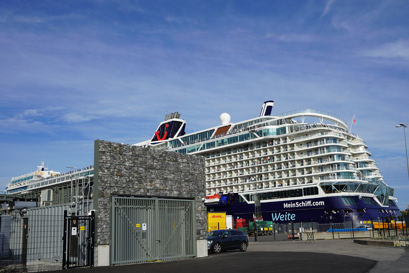
NORWAY & SWEDEN: PSW (Power and Automation AS) paired up with Danfoss to create compact OPS solutions in three Nordic harbors: Stockholm, Ålesund and Haugesund/Karmsund.
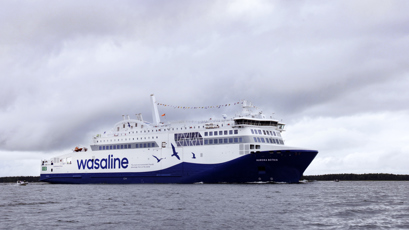
FINLAND: The Aurora Botnia cargo and passenger ferry is equipped with a hybrid-electric propulsion system, powered by liquid-cooled iC7 drives from Danfoss.
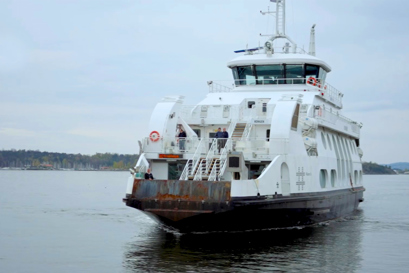
NORWAY: Electrification of the Nesodden ferries has reduced CO2 emission in the port of Oslo. VACON® drives and power converters play a key role onboard.
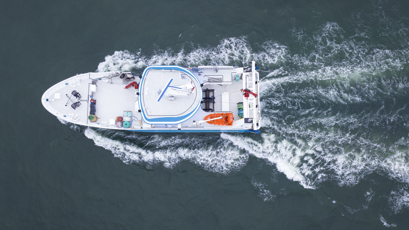
NORWAY: The new training vessel at Maløy Fishing School uses less diesel and emits less CO2, while also meeting the rigorous demands of the fishing industry.
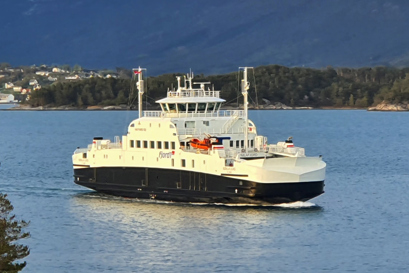
NORWAY: The Hareid-Sulesund ferry operations have reduced CO2 emissions by 7000 tonnes annually with the introduction of electric vessels. In transitioning ferries from diesel to pure electric power, powerful onshore support is essential, in the form of reliable infrastructure for rapid charging capacity and stable grid supply. The systems on board and on shore act as a single system – a sophisticated and competitive system developed by Norwegian Electric Systems (NES) using Danfoss technology.
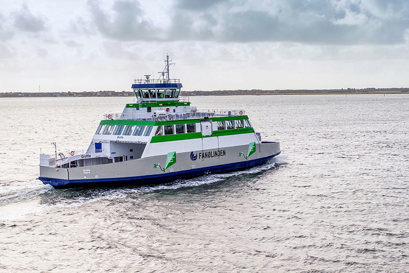
Molslinjen – Denmark's largest domestic ferry company – has set its first electric ferry in motion. The E-ferry Grotte will be breaking waves at the UNESCO World Heritage waters between the coastal town of Esbjerg and the island Fanø – and Danfoss is on board. The future holds great potential to operate shorter routes by electric ferries.