

The Danfoss Tech Insider March 2026 explores the latest in sustainable technologies and engineering solutions. Gain expert insights into energy efficiency, sustainable cooling, and other key industry advancements. Discover innovative approaches and practical applications shaping a more sustainable future.
The Danfoss Tech Insider February 2026 explores the latest in sustainable technologies and engineering solutions. Gain expert insights into energy efficiency, sustainable cooling, and other key industry advancements. Discover innovative approaches and practical applications shaping a more sustainable future.
The Danfoss Tech Insider January 2026 explores the latest in sustainable technologies and engineering solutions. Gain expert insights into energy efficiency, sustainable cooling, and other key industry advancements. Discover innovative approaches and practical applications shaping a more sustainable future.
The Danfoss Tech Insider November-December 2025 explores the latest in sustainable technologies and engineering solutions. Gain expert insights into energy efficiency, sustainable cooling, and other key industry advancements. Discover innovative approaches and practical applications shaping a more sustainable future.
The Danfoss Tech Insider October 2025 explores the latest in sustainable technologies and engineering solutions. Gain expert insights into energy efficiency, sustainable cooling, and other key industry advancements. Discover innovative approaches and practical applications shaping a more sustainable future.
The Danfoss Tech Insider September 2025 explores the latest in sustainable technologies and engineering solutions. Gain expert insights into energy efficiency, sustainable cooling, and other key industry advancements. Discover innovative approaches and practical applications shaping a more sustainable future.
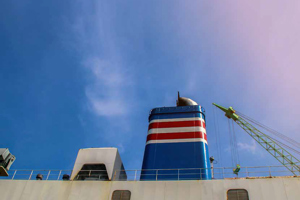
Increased focus on the environmental impact from the Marine industry drives new exhaust gas emission restrictions and regulation. The new regulation forces vessel owners and shipbuilders to implement new technical solutions to ensure compliance with local, regional and global legislation.
At Danfoss Sensing Solutions, we take your digitalization journey personally. That’s why we are committed expanding our Smart Sensors™ portfolio — and sharing the latest industry insights, innovations, and opportunities with you.
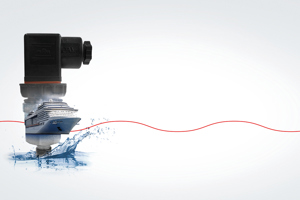
The marine industry has adopted the use of exhaust-gas scrubbers and ballast water treatment systems to meet the International Maritime Organization’s strict environmental legislation. Read more about the corrosive environments of these systems requiring tough, high-performance controls.