The UN estimates that by 2050, the world’s population will reach about 9.8 billion – nearly 70% of whom will live in cities. Cities need ambitious targets for energy efficiency, sector integration and electrification to reach the goals of the Paris Agreement. The technology is already here.
Play video
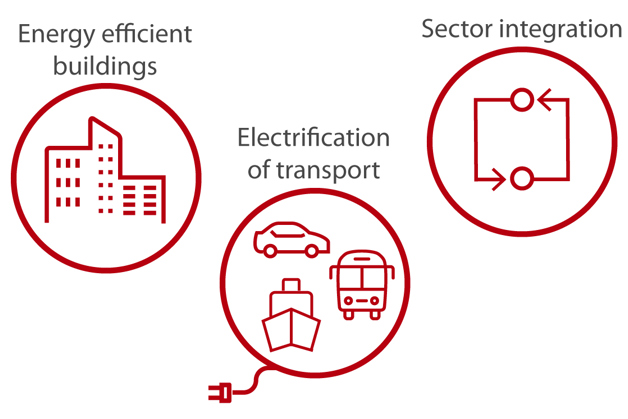
A new report from Navigant (2020) sets the concrete technology pathway for reaching the 1.5°C degree target by 2050, based on the significant potential of:
The Navigant study shows that implementation of existing technology solutions for electrification of transport, energy efficient heating and cooling of buildings, including district energy, and sector integration can bridge about half of the gap to reach the 1.5°C target in urban areas.
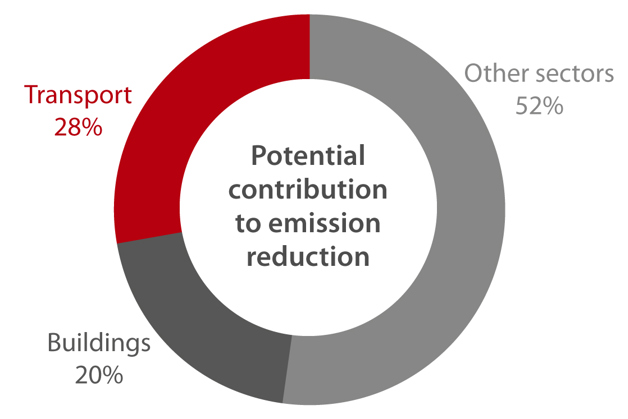
Remaining half of the accumulated urban emission reductions needed for a 1.5°C pathway will come from other sectors, mainly industry, electricity for appliances, and construction.
In other words, the needed technologies to future-proof our cities, meet the Paris Agreement, and safeguard air quality is ready. It is now about rolling it out at a much faster pace, while innovating new solutions in real-life city test zones.
Why cities?
The world’s cities occupy just 3% of the Earth’s land, but account for two-thirds of the world´s energy demand and 70% of global greenhouse gas emissions. More than 80% of people living in urban areas are exposed to air quality levels that exceed the World Health Organization (WHO) limits, largely caused by heating and cooling of buildings and transport based on fossil fuels. In other words, cities’ impact on climate and health is enormous.The good news is that cities’ high density of facilities and infrastructure offer a unique opportunity to drive cost-effective technology innovation and exploit synergies between sectors to create a highly efficient energy system. Cities can act as ambitious, inspirational regional front-runners that showcase new technology and create attractive places to live and work.
Buildings account for one-third of the global energy-related GHG emissions and final energy demand.If all urban areas invested in energy efficient heating and cooling of buildings, including district energy, they would bridge 20% of the gap in the urban GHG emissions reductions needed for a 1.5°C pathway.
Transport accounted for 23% of global energy-related GHG emissions in 2015 and 26% of the final energy demand.
If all urban areas invested in electrifying cars, busses, trucks and vessels, they would bridge 28% of the gap in the urban GHG emissions reductions needed for a 1.5°C pathway.
Sector integration is about connecting the electricity, heating, building, transport and industry sectors in order to better use synergies between these sectors, thereby enabling a more cost-efficient decarbonization of the energy system. This includes looking at how integrating sectors can improve the overall efficiency of the energy system through enabling reuse of excess/waste energy, storage of surplus electricity in batteries, thermal networks, buildings and transport as well as to incentivize clean electrification of sectors and interconnectivity.
A few years ago, Benxi vanished in smog. Now, the old steel capital of China can breathe again. Implementing an advanced district heating system in corporation with Danfoss has reduced annual coal use by 26,500 tons.
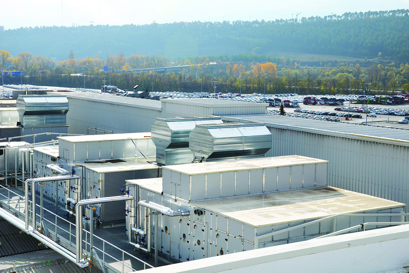
The demands placed on the air conditioning of buildings increase steadily. Axial fans can make a significant contribution to combining technical requirements with sustainable building design.
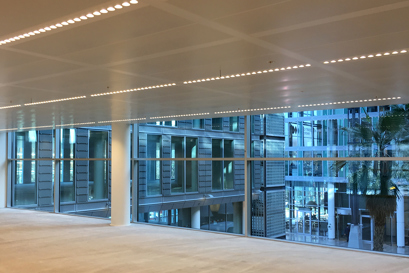
A high-end HVAC system, LED lighting and other technical improvements established a smart and modern office environment. It lives up to the highest customer, energy efficiency and indoor comfort demands.
Future of the Fjords represents a new standard of environmentally responsible passenger transport, as the first fully electric carbon fiber vessel in the world.
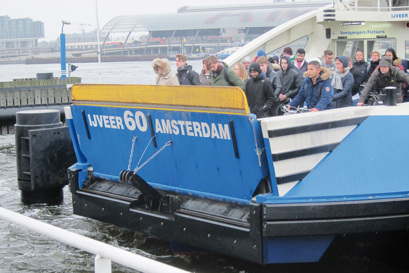
On Amsterdam’s IJ River, hybrid ferries powered by VACON® drives enjoy 24/7 uptime, smaller generator size, improved air quality, less noise and easy maneuverability.
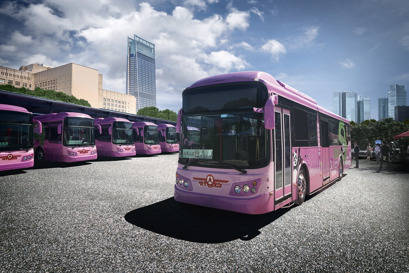
The city of Taipei has opened its first all-electric bus route. 12-ton buses, lightest on the market in their class, provides zero emissions. The fleet can run above 260 kilometers when fully loaded, and over 300 kilometers when empty.
MEC-BioGas processes more than 830,000 tons of biomass annually. By generating power and heat from biogas instead of fossil fuels, it reduces its CO2 footprint by 50000 tpa.
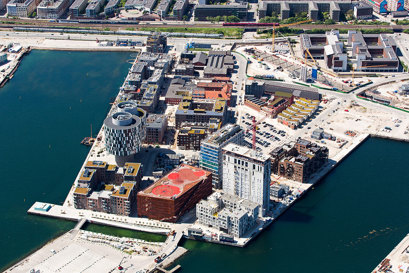
The mission is to demonstrate and analyze the technical and economic advantages of intelligent control of components and systems that provide heating and cooling inside the buildings.
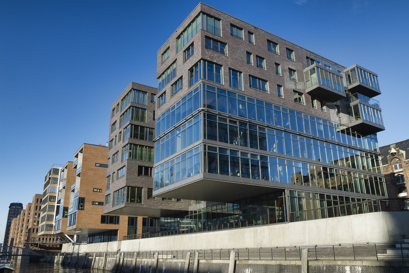
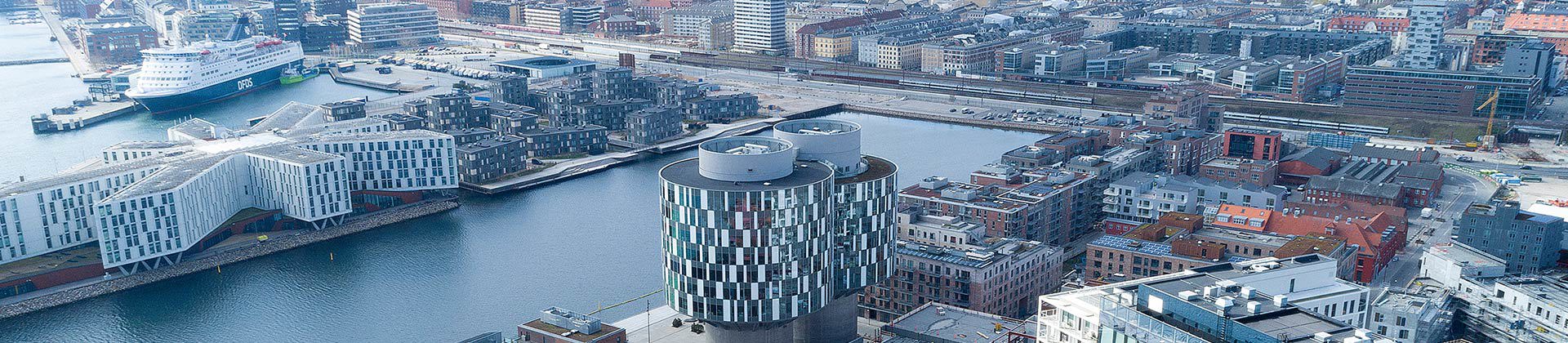
155 hectares of harbor area is setting standards throughout Europe. The district heating supply is a cost effective and sustainable solution.
Electric motor systems consume 50% of all electricity worldwide. 80% of electric motors are not equipped with variable speed drives, meaning that they work full speed regardless of need. By deploying variable speed drives and other system-wide efficiency measures, we can reduce motor energy consumption by up to 40%, and global electricity consumption by 8% (Source: IEA WEO 2016). Payback time: 2-4 years.
Empower people to control their energy use: Optimizing control of our heating, cooling and ventilation systems reduces energy use on average by 22% per building, with a payback of 2 years (Source: Ecofys). Two keys are room temperature control and balancing: more than 500 million radiators are still equipped with manual valves and do not allow citizens to control their room temperature and energy consumption. Installing individual room controls (e.g. thermostatic radiator valves) could lead to €10-15 billion in annual savings.
Learn more about we can improve Building Efficiency.
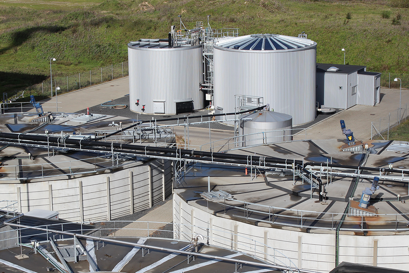
An energy neutral water cycle: Water and wastewater facilities account for 30-50% of municipalities’ total energy bill and 4% of global electricity consumption. But with a combination of energy efficiency measures and energy recovery, the entire water sector can be energy neutral. In Aarhus, Denmark, the city turned a local waste water facility into a producer of renewable energy (biogas) (Source: IEA WEO 2016). Payback time: 5 years.Learn how Aarhus is generating surplus power from wastewater treatment
Data centers on a global level already consume more electricity than the UK, and emit the same amount of carbon as the entire airline industry. Electricity is usually the largest single element of operating costs for data centers, varying from 25 to 60%. At a Facebook data center in Sweden, we have slashed nearly 50% of energy costs (case story).We can start implementing right now to crush the snowballing data center challenge.
Recovering heat from refrigeration systems: A small supermarket in Sønderborg, Denmark, achieved annual savings of €30,000 and reduced CO2 emissions by 34% through energy recovery. In Europe, where about 2% of electrical energy consumption is used for refrigeration in supermarkets, similar measures could lead to final energy savings of 2.6 Mtoe per year, and energy cost savings of €1.8 billion. Payback time: 1.5 years.Learn more about the supermarket solution
District energy with waste heat: District energy is the only way to utilize low-energy, low-grade waste heat or free cooling sources for end-use in buildings (UNEP). It can use e.g. surplus heat from data centers, industrial processes or even sewage water. Recovering all of Europe’s waste heat could cover the heating demand of our entire building stock.
Flexibility thanks to supermarkets: The non-utilized operating capacity of compressors used in supermarket refrigeration systems can act as a heat pump and produce heat from electricity during wind peak production, when connected to a district energy network. These measures could allow EU supermarkets to provide 150 TWh of heat. Refrigeration systems can also be used for demand side management. 500 supermarkets can add 26.5 MW short term flexibility.District heating and cooling can balance the volatility of renewable electricity: During periods of oversupply, excess electricity from e.g. wind can be used to generate heat with large scale heat pumps and even be stored in the district energy grid. Heat storage is 100 times cheaper than electricity storage.
Exploit the potential of digital, connected solutions: Smart control of heating, cooling and ventilation can double the performance of these technologies. On average, energy consumption can be reduced by 38% per building. New digital technologies can continuously monitor and adapt consumption, inform consumers of their energy use, optimize renewable energy self-consumption and help integrate buildings into electricity and district heating and cooling systems. Payback time: 3-5 years.Learn how to rethink efficiency in buildings
Stay up to date with recent information from Danfoss, get inspiring content and find the latest events. Read successful case studies from our customers and explore how we can help you engineer a better tomorrow.