

Gain Efficiency through Dynamic Control, Fine-tuned with Digital Precision
Innovative, reliable, and energy-efficient District Heating (DH) and District Cooling (DC) solutions
Play video
What is Virtus?
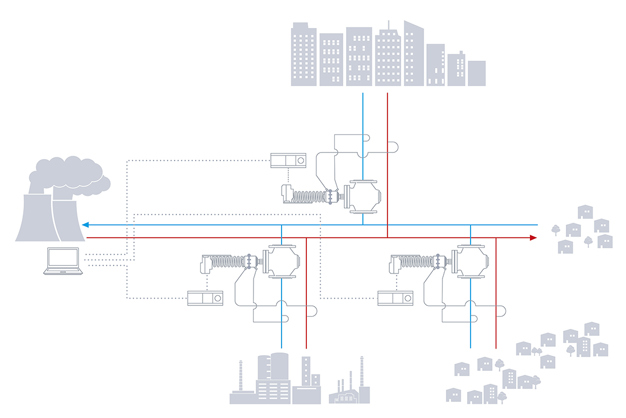
Virtus is Danfoss‘ series of digital empowered pressure and flow controllers for hydronic balancing and control in district heating and cooling networks. Optimal hydronic balance can result in up to 20% energy saving and improved comfort because of perfect temperature (delta T) control. Virtus is a range of heavy duty differential pressure regulators and flow regulators for demanding district heating and cooling applications. They are designed to be used in power plants for energy production, transportation networks, distribution network stations and subscriber (building) substations.
There are 2 different technical principles
DPC (Differential Pressure Controllers, in most cases used in combination with a Motorized Control Valve (MCV)) with these type of control options:
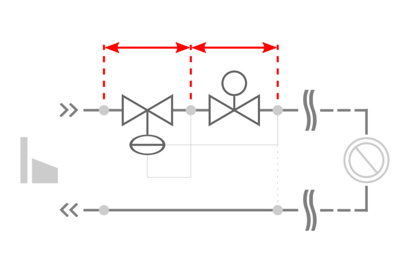
Differential pressure control (P) with AFP 2
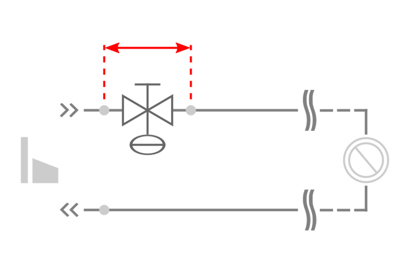
Flow control (Q) with AFQ 2
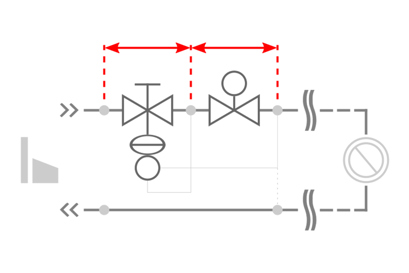
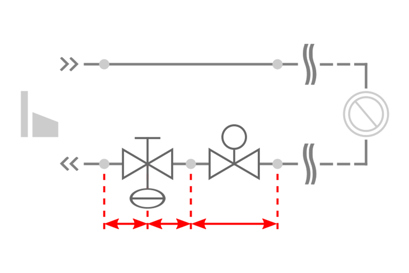
Differential pressure control with max. flow limitation (PB, PB-F) with AFPB 2
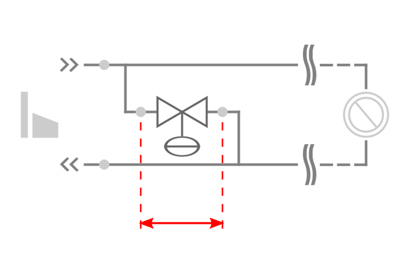
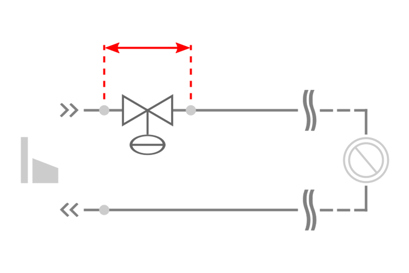
Pressure reduction control (D) with AFD 2
PICV (Pressure Independent Control Valves with integrated flow limiter) with these type of control options:
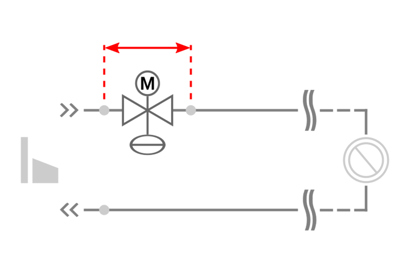
Pressure independent control valve with flow limiter (QM) with AFQM 2
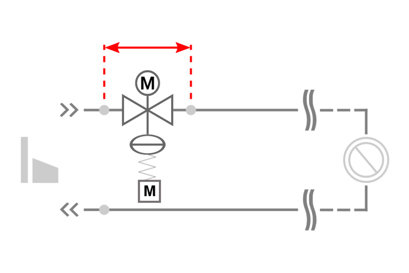
Pressure independent control valve with flow limiter with variable setting (QMP) with AFQMP 2
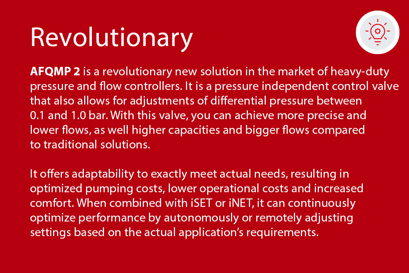
AFQMP 2, a revolutionary PICV solution for heavy-duty district heating and cooling control
Digital optimization with iSET and iNET
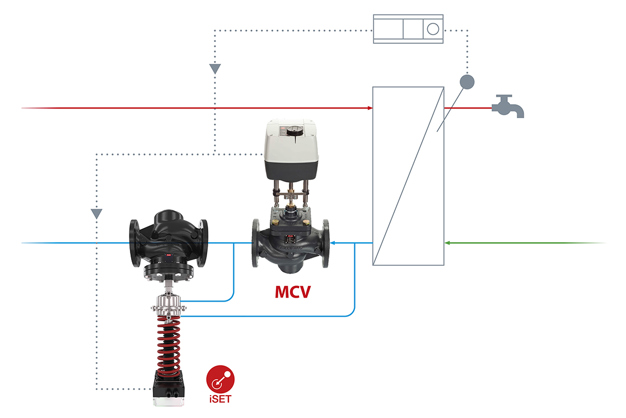
All Virtus controllers are build-up from a valve and a pressure actuator (also known as a pressure regulator) and are self-acting. This means they work independent of electrical energy, ensuring a high level of reliability. Most of the controllers can optionally be equipped with a remotely accessible digital actuator to optimize the performance. There is iNET functionality for intelligent NETwork balancing and iSET functionality for intelligent substation SETting. Via AMEi 6 digital actuators the set pressure or flow on the Virtus pressure actuator is electronically adjusted to increase stability and precision in especially partial load system conditions.
Virtus eBook
Read more about Virtus, iNET, iSET and the Retrofit solution in the interactive eBook PDF. It includes easy access to supportive online documentation, videos and much more.
Download pdf
Documents
Related products
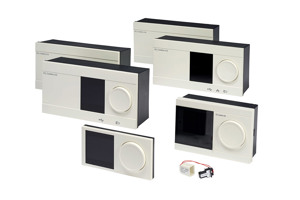
Electronic controllers are intelligent temperature regulators. They can be adapted to a variety of district heating systems, ensuring high comfort level and optimum energy utilisation.

Motorised control valves ensure perfect control and efficiency for every building and application. Danfoss Motorised Control Valves (MCV) for district heating and cooling, HVAC and central heating systems ensure stable and accurate control of water, glycol mixtures and steam.
Tools and apps

The Danfoss Heat Selector is a best-in-class online selection tool that optimizes planning process for heating application experts.

Get easy access to our BIM files. You can choose to use the convenient BIMtool or download the files from our Product store or partner MagiCAD Cloud.
Case studies
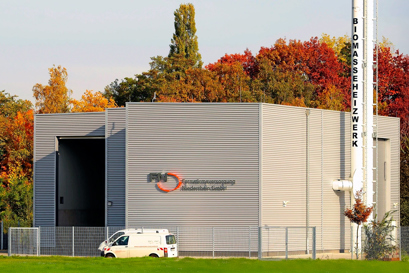
In Germany’s Lower Rhine region, a 700 km district heating network delivers 980 million kWh of heat annualy. Fernwärmeverbund Niederrhein Duisburg/Dinslaken GmbH & CO. KG manages 40 km of this grid, and established a leading position in the shift to decentralized, sustainable heat sources. With Danfoss Virtus and iSET, they overcame secondary side temperature oscillations that threatened efficiency, reliability, and end-user comfort.
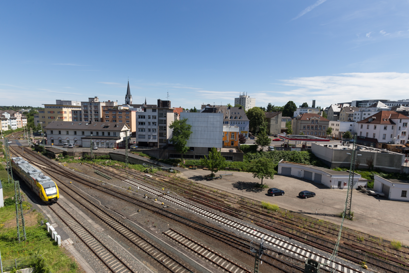
All too often, the service staff at Stadtwerke Giessen received customer complaints about the hot water supply in the morning. One minute the water was too cold, the next too warm. In the end, Stadtwerke Giessen had to install an extra oil boiler to ensure sufficient hot water supplies. The boiler was turned on every morning and the complaints stopped.

Two new build apartments in Docklands, London and Newbury Racecourse, Berkshire have been equipped with intelligent Danfoss solutions, bringing increased control and stability as well as greater than 20% peak energy reduction.
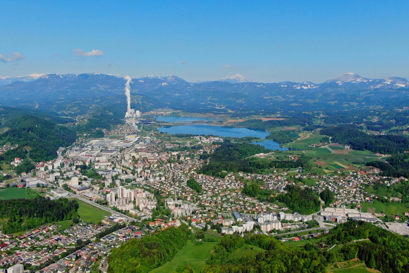
The Saleska Valley district heating network is the second largest network in Slovenia, dating back to 1959. Since then, the demands have changed significantly and have challenged the hydronic balancing of the system which was optimized with new intelligent controllers Virtus.
Videos
We can help utilities to optimize their supply of district heating to cities with a positive impact on decarbonization and reduced energy consumption. It's time to unlock the grid's full potential for ultimate cost-effectiveness, energy-efficiency and a resilient path to a greener future.
Read more