
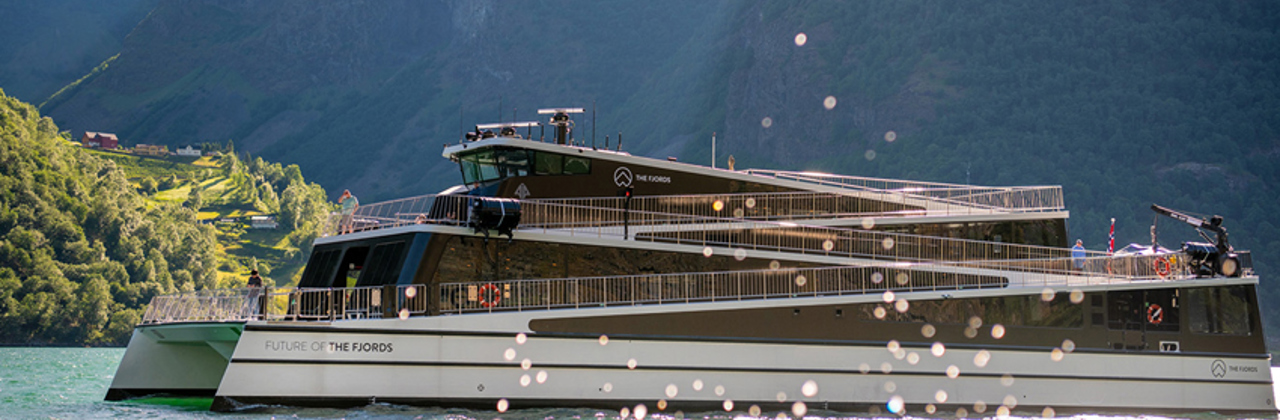
Discover how Danfoss contributes to an emission-free future for the Norwegian fjords
Read the case study
Norwegian fjords enter a zero-emission future
In 2018 the Norwegian parliament passed a resolution to make its iconic fjords a zero-emissions zone as soon as possible and by 2026 at the latest. This defines the deadline for vessel operators in the fjords to eliminate pollution emitted by their ships – a deadline which Future of the Fjords has met with eight years to spare.
Optimizing energy efficiency is a key strategy in ensuring the viability of the vessel and reducing its environmental impact. Therefore, Future of the Fjords uses high tech solutions in a range of disciplines to achieve lowest possible energy consumption. Light carbon sandwich laminates for the hull and superstructures ensure approximately half the weight by comparison with conventional materials.

“Quality suppliers such as Danfoss, Westcon and others give us good working conditions and a nearly maintenance-free ship to operate in this area”
- Lars Haugnes, Chief Engineer, Future of the Fjords
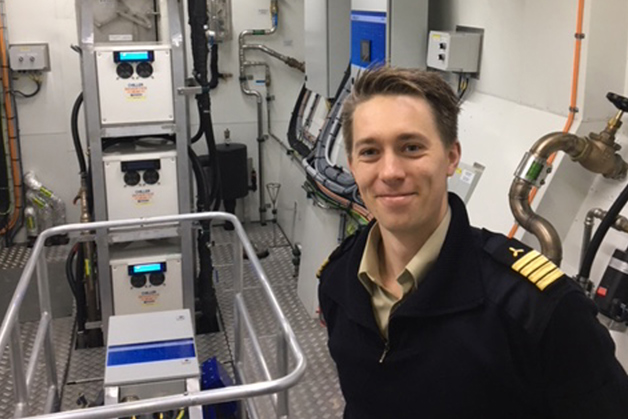
Lightweight power conversion delivers full thrust
The power system designed by systems integrator Westcon is 2 tons lighter in weight than the next best alternative, which lowers the propulsion power required. This huge benefit for efficiency was only possible due to the freedom of design Danfoss VACON® drives offer, explains Frode Skaar, Business Development Manager at Westcon:
“Thanks to the versatility of Danfoss AC drives which are fully compatible with many alternative technologies, we were able to design both the power system and the shore supply in a very agile manner. Compared to our closest competitor, we could find other types of equipment doing the same job which was 2 tons lighter, required fewer components, and ensured lower power losses, resulting in a better system”
The VACON® drives also enabled Westcon to overcome challenges in heat management of the power conversion systems, resulting from versatile components and a problem-solving process where shipbuilder and owner worked positively and flexibly together throughout.
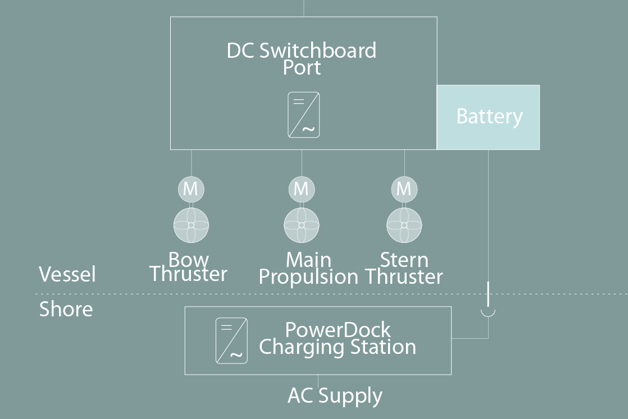
The main propulsion, bow thrusters and stern thrusters are equipped with VACON® drives to control speed and optimize power consumption and maneuverability. These drives also ensure safe and high efficiency power conversion from the battery pack.
VACON® NXP DC/DC Converter
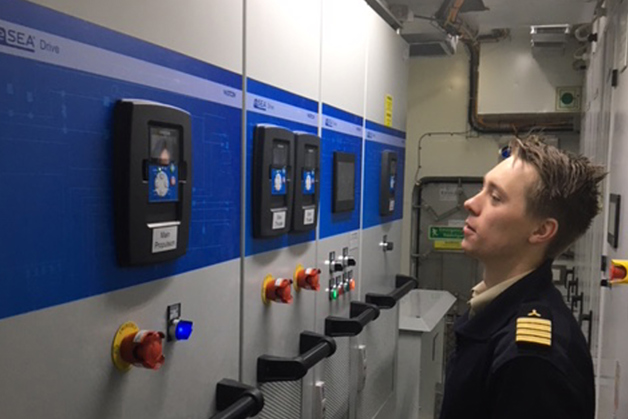
Learn about the drives, sensors and switches onboard
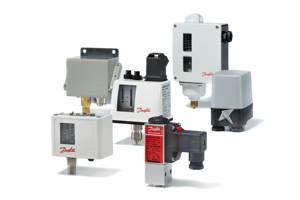
Switches to control pressure in marine applications where robustness and space are important factors. Marine approved box and block switches.
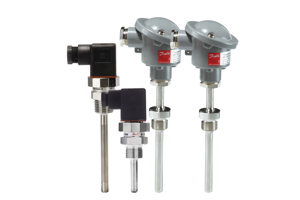
Heavy-duty temperature sensors for controlling cooling water, lubrication oil, hydraulic oil and refrigeration plants within general industry and marine applications. These temperature sensors are based on a standardized Pt 100 or Pt 1000 element, which gives a reliable and accurate measurement.
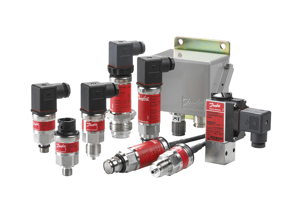
Marine approved dedicated pressure transmitters and sensors for marine applications. A wide range of connections and pressure ranges to meet marine requirements.
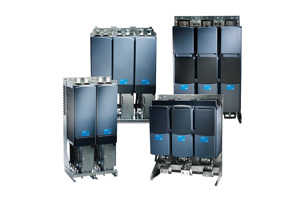
Air- and liquid-cooled drives specifically designed for smart grid, energy storage, power conversion and marine energy management applications.
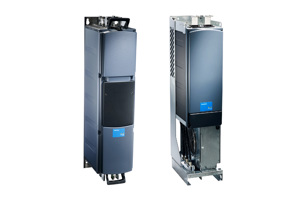
Maximizes the energy yield in hybrid solutions and helps improve performance by bringing energy support close to the consumption.
Get more information
Read more about industrial pressure transmitters
Read more about industrial temperature sensors
Read more about drives for marine propulsion and thrusters
Read more about drives for marine power conversion
Power conversion case studies
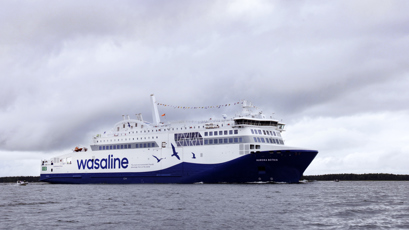
FINLAND: The Aurora Botnia cargo and passenger ferry is equipped with a hybrid-electric propulsion system, powered by liquid-cooled iC7 drives from Danfoss.
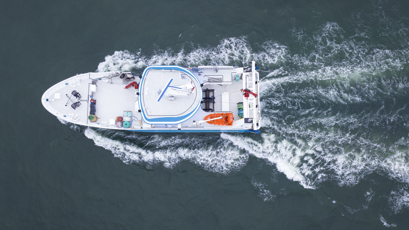
NORWAY: The new training vessel at Maløy Fishing School uses less diesel and emits less CO2, while also meeting the rigorous demands of the fishing industry.
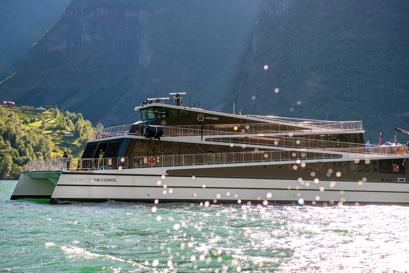
This world-first fully-electric carbon fiber vessel safeguards the pristine Norwegian fjord environment, ensuring zero emissions.
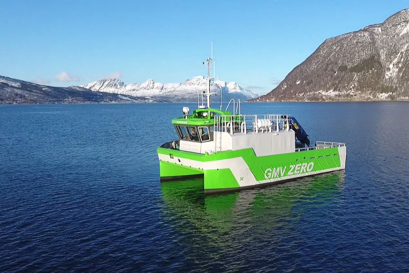
Grovfjord Mekaniske Verksted, Norway, has designed one of the world’s first fully electric workboats. No engine noise, no diesel fumes, zero emissions. It’s electrification at sea. And drives from Danfoss have helped make it happen.
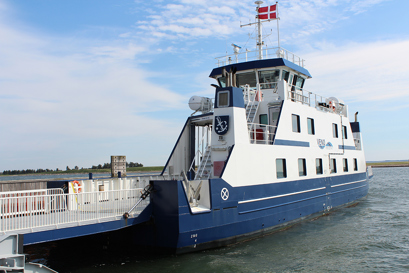
Denmark’s shortest ferry route is now a pioneer of battery power.
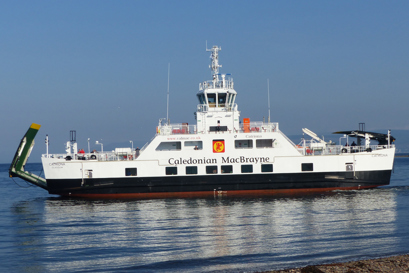
CMAL ferries use 38% less fuel than conventional vessels and emissions are reduced by a similar amount.