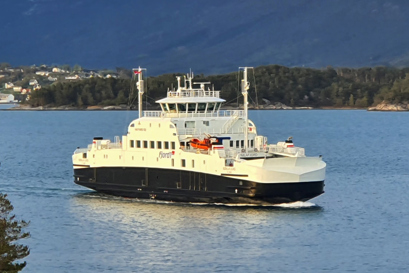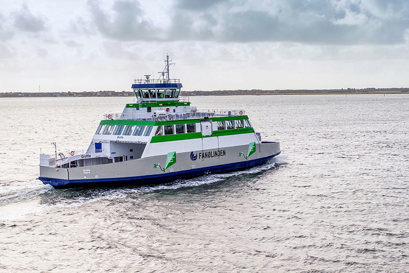

The challenge: Compliant and flexible shore supply that’s also compact
Setting up an OPS doesn’t come with a ‘one-size-fits-all’ solution. To be able to meet the diverse technical demands and still be able to deliver a flexible and compact solution, requires efficient state-of-the-art components as well as innovative engineering.
Some of the most crucial components are the grid converters. These make sure the power supply matches the required voltage and frequency of the ship by converting the 50Hz grid power to match the 60Hz grid onboard most cruise ships. It is also vital that the system can synchronize and smoothly transition between shore power and the ship's generators to avoid power interruptions.
The power demand on berthed vessels varies widely. Balancing the peak power demand, various voltage levels and frequencies on several ships at the same time is a significant challenge.
The solution: System configuration with iC7-Hybrid serves diverse vessel types
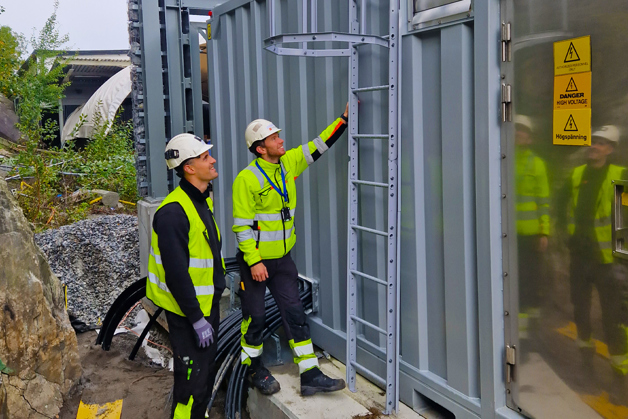
Having previously collaborated with Danfoss using VACON® NXP, system integrator PSW was eager to explore the capabilities of the iC7-Hybrid power converter, based on liquid-cooled system modules. With its increased power density and outstanding ability to react to power system dynamics, iC7-Hybrid provided an ideal basis for a compact build.
PSW has used the iC7 series as a basis for further development of their new compact, flexible and modular OPS solutions.
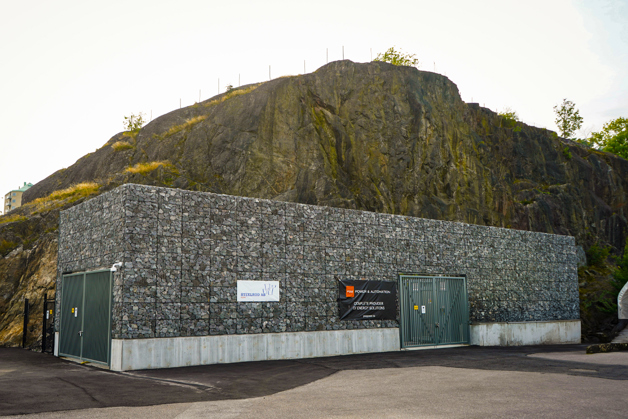
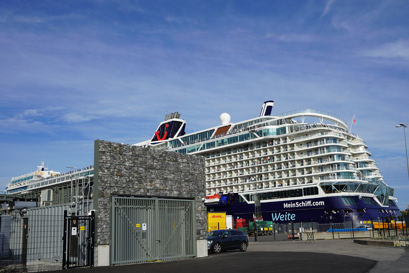
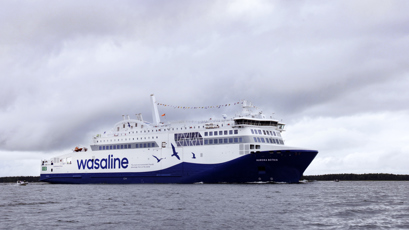
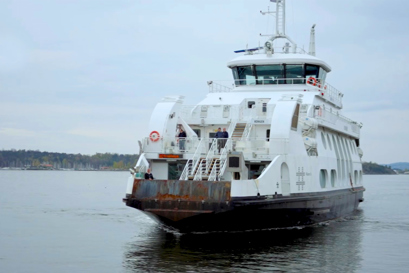
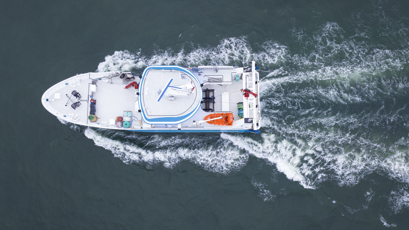
The modular design also addressed the diverse needs of Haugesund/Karmsund. The harbor requested a modular system with the flexibility to connect a wider range of vessels besides cruise ships. The PSW solution supplies cruise ships, RoRo vessels, navy vessels, offshore/supply ships, “Hurtigruten” and explorer ships. Voltage levels available are 400–440-690–6.6 -11 kV and power range 800 kVA, 1600 kVA, 4 MVA and 16 MVA.
Scale of the three installations:
- 16 MVA at Haugesund /Karmsund
- 24 MVA at Ports of Stockholm (16+8 MVA)
- 32 MVA at Ålesund (16+16 MVA)
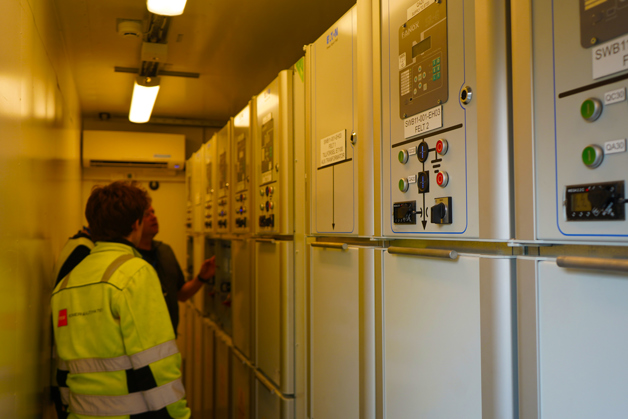
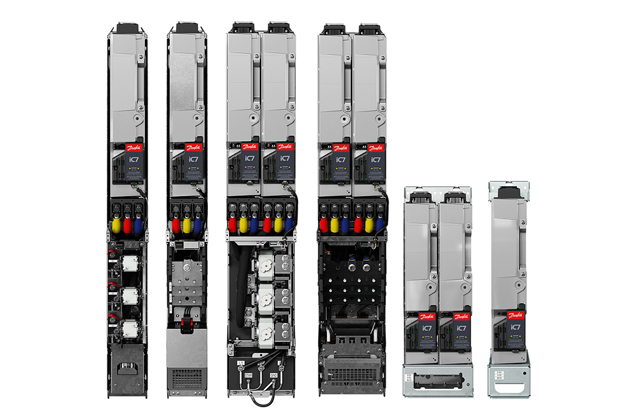
- Ultra-compact hardware featuring unique integration of filters below power units
- High power density reduces the space and weight while maintaining power output
- Easy power management as iC7-Hybrid transitions smoothly between multiple control modes during operation
- Fast control loops can handle rapid power system dynamics
- Scalable and modular design provides optimum flexibility, with power range up to 6.8 MVA and beyond
Learn more about iC7-Hybrid
The outcome: Efficient, clean, and popular with vessel owners
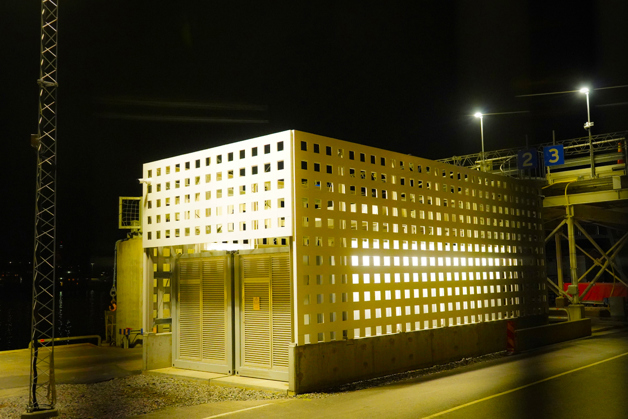
With successful installations, all three harbors are now equipped with OPS solutions that blend seamlessly into the harbor environment. They efficiently match the frequency and voltage, and swiftly react to power dynamics to ensure a reliable and streamlined grid connection for cruise ships.
Cruise and offshore vessel owners are utilizing the available shore power facilities far more than expected by the harbors. The benefits of reduced maintenance on machinery, less noise onboard, fewer crew members on watch, and significantly lower emissions motivate ships to connect whenever shore power is available.
As legislation is becoming more stringent, it is likely that more countries will soon follow Norway’s lead, completely preventing cruise ships from running their engines while docked. And to reduce emissions from cruise ships in harbors and ports worldwide, the relevance of flexible and efficient solutions like this is undeniable.
Related products
The iC7-Hybrid power converter is your ticket to join the energy transition. Tap into energy savings with hybrid and pure electric solutions in marine power conversions. Enhance smart grid applications such as energy storage, shore supply, charging and electrolysis.